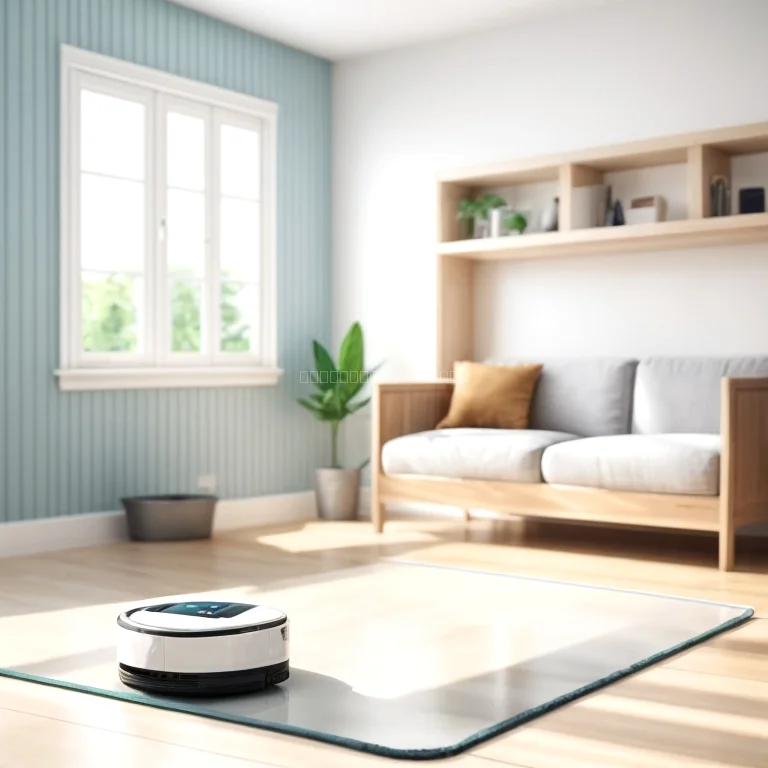
BersihNowBot deployment in a Malaysian living room
Notes and results are based on observational pilots and practical adjustments in real homes.

Pilot deployments: step-by-step real-home scenarios

A standard pilot begins with a 45–90 minute on-site assessment. We map obstacles, measure room traffic patterns during morning and evening routines, and run a controlled test across one week. Example: in a 3-room apartment in Taiping, two short daily runs after peak traffic reduced visible debris between weekly manual cleanings. The pilot report includes schedules, obstacle maps and a recommended maintenance checklist for owners.

Each pilot produces an action plan focused on easy wins: positioning of charging docks to minimize obstacle crossings, schedule slots aligned to household routines, and recommended consumables for floor type. The practical emphasis is on repeatable setup steps and measurable outcomes rather than abstract performance metrics.

Adapting cleaning cycles to local daily routines

Routine-adaptive scheduling starts by observing the household for two days during typical activity windows—morning preparations, midday quiet, and evening gatherings. For example, a family with morning school runs benefited from a midday cleaning window and a short evening touch-up; a home office setup required quieter night runs with lower suction settings to reduce noise interruptions. Schedules are tuned based on real usage patterns and adjusted after the initial two-week observation period.

  • Fleet subscription for small property managers: monthly provision of compact cleaning robots with scheduled maintenance and remote monitoring via an app.
  • Per-job deployment for event venues: short-term rentals of high-capacity floor robots and autonomous trash collectors during conventions or weddings.
  • Integration service packages for smart homes: one-time installation, AI training on resident preferences, and quarterly optimization reviews.

Practical cases show that mixing subscription and on-demand models reduces idle time and increases unit utilization. For example, a serviced-apartment operator in Taiping shifted 30% of nightly manual cleaning to overnight robot runs and used on-demand teams for high-touch areas. BersihNowBot packages are designed to be modular so property owners can test a small fleet and scale to cover larger footprints based on measured performance and occupancy patterns.

Case study: small daycare in Taiping — scheduling between activity blocks

Use-case driven optimization emphasizes measurable outcomes and predictable costs. Focus on repeatable scenarios: nightly floor maintenance, morning kitchen touch-ups, and alternating deep-clean cycles for high-traffic zones. Revenue streams can be structured as hardware leasing plus recurring software access and optional on-site support.

Case scenario: A co-living operator in Perak reduced daytime staff hours by aligning robot cleaning windows with check-out times, enabling a 20% reallocation of labor into guest services.

Licensing AI behaviors to property management platforms is an effective route to scale. Instead of selling each robot outright, offer a managed solution where shelters or apartment managers pay per active device plus a tiered fee for advanced mapping, inventory management, and analytics.

Technical checklist: flooring types, thresholds and furniture mapping

Operational playbooks should prioritize safety and local compliance. In Malaysia, practical deployment must account for varied floor surfaces, wet areas, and common household layouts. Training datasets built from local site scans help AI navigation avoid common obstacles like prayer mats, low-built furniture, and stair thresholds.

Example procedure: start with a site assessment, create a mapping policy, set no-go zones, and run a two-week pilot focusing on predictable paths (hallways, living rooms). Collect telemetry for one month to refine suction schedules and path smoothing.

Pilot to scale: stages

Stage 1: Discovery and mapping. Stage 2: Pilot fleet in low-risk areas. Stage 3: Data-driven adjustments. Stage 4: Rollout and ongoing optimization. Each stage uses simple KPIs such as coverage percentage, time per room, and intervention count to decide readiness for the next stage.

Maintenance workflows that minimize manual intervention

Partnerships with property managers, appliance retailers, and smart-home integrators extend reach. Offer co-branded trials and combine hardware trials with localized content that explains schedules, privacy settings and maintenance routines.

A retailer case: a Taiping home-store displayed BersihNowBot units with short demo sessions; follow-up customers opted for installation packages that bundled robot setup with home Wi-Fi tuning and a 30-day observation period.

Data privacy and on-device intelligence for home use

Pricing plans should reflect service frequency, device class, and support level. Include clear examples and scenario-based bundles so customers can map their needs to a plan quickly.

  • Starter: single compact robot, app access, monthly remote diagnostics.
  • Professional: two robots, priority support, quarterly on-site checkups and AI behavior tuning.
  • Enterprise: fleet management dashboard, integration APIs, dedicated account manager and scheduled training sessions for staff.

Practical pricing example: a small guesthouse could choose the Professional plan to automate routine floor care and keep a small manual crew for lobby areas. Billing by device plus a usage band for deep-clean cycles ties revenue to actual workload rather than flat rates.

Scaling from a single home to multi-room schedules

Key operational KPIs to monitor: average interventions per week, percent of scheduled runs completed, battery cycle health, and time-to-recover after an obstruction. Use these metrics in monthly reviews with clients to show incremental improvements and refine routes.

Scenario: by tracking interventions, an urban apartment complex discovered peak obstruction times caused by evening routines. Adjusting timing windows reduced interventions by 35% and freed technicians for preventive maintenance.

Contact BersihNowBot

For business inquiries, pilots, or integration partnerships contact our Taiping office. Include your site type, approximate area to cover, and preferred pilot dates. Our team at BersihNowBot will review site requirements and propose a scenario-based plan, including cost estimates and a suggested pilot duration.

  • [email protected]
  • +60120003107
  • Asam Kumbang, 34000 Taiping, Perak, Malaysia
  • 568221756263
Get a pilot plan
Hello! I'm here to discuss real scenarios for smart cleaning robots and AI home helpers. Tell me about your space and routine.